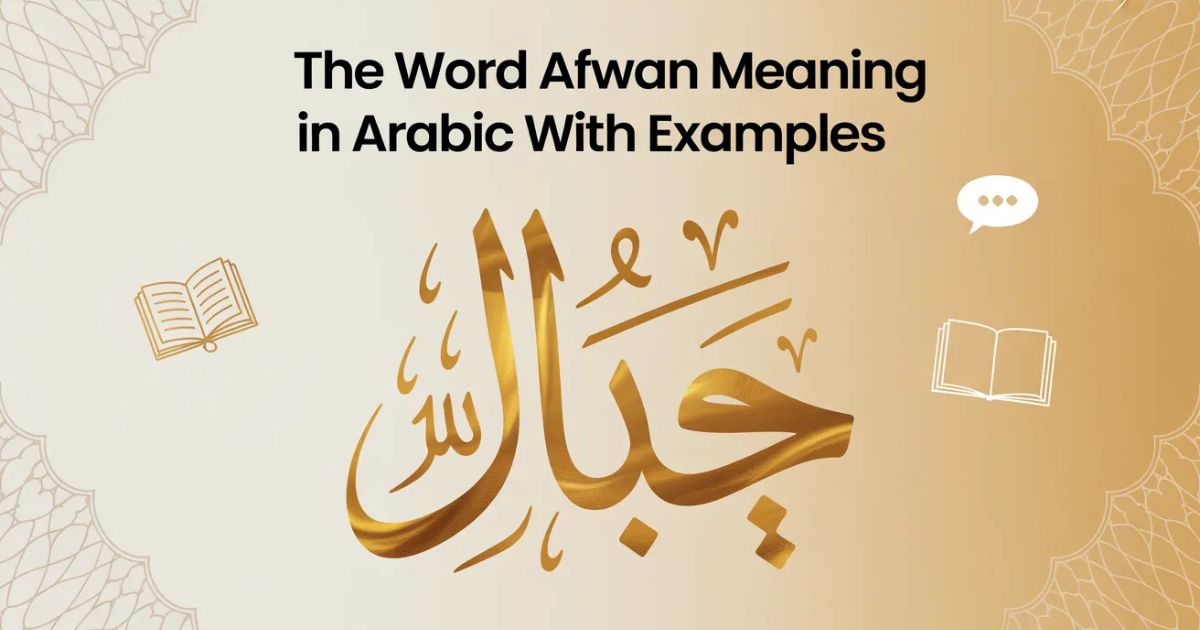
Have you ever heard someone say afwan and paused for a second, wondering what it really meant in that moment? You might have learned that Afwan Meaning is “you’re welcome,” but then suddenly you hear it used as “sorry” or even “excuse me.” That’s when things start to feel confusing. Many Arabic learners search for Afwan Meaning because this small word appears in so many everyday situations, yet its meaning seems to shift depending on tone and context.
The truth is, Afwan Meaning is simple once you understand how Arabic conversation works. In this guide, you’ll discover the real meaning behind the word, where it comes from, and why it carries different meanings in daily speech. You’ll also see clear examples from real-life conversations, so you can recognize when it means “you’re welcome,” when it means “pardon,” and when it’s used to politely interrupt. By the end, Afwan Meaning won’t feel confusing anymore it will feel natural, clear, and easy to use with confidence.
The Meaning of “Afwan” in Arabic
The word Afwan (عفوًا) is one of the most useful and flexible words in everyday Arabic conversation. At first, most learners understand Afwan Meaning as simply “you’re welcome.” When someone says shukran (thank you), replying with Afwan is a polite and friendly response. It shows humility, kindness, and good manners. Because of this, native speakers use it naturally in daily life without even thinking about it.
But Afwan Meaning goes far beyond a simple reply to thanks. Depending on tone, situation, and body language, it can also mean “excuse me,” “pardon,” “sorry,” or even “it’s okay.” For example, someone moving through a crowd may softly say Afwan to pass politely. If a person didn’t hear something clearly, they might say Afwan? to ask for repetition. In more formal or classical Arabic, the word is connected to the idea of forgiveness and letting something go, which gives it a deeper and more respectful meaning.
Key Meanings of Afwan
- You’re welcome
- Excuse me
- Pardon
- Forgive me
- It’s okay
Afwan Meaning in Urdu
Afwan (عفواً) ek Arabic lafz hai jo Urdu bolne walay log bhi roz-marra guftagu mein istemal karte hain. Afwan Meaning in Urdu zyada tar “koi baat nahi,” “khushi hui,” ya “maaf kijiye” ke tor par samjha jata hai. Yeh lafz adab, narmi aur izzat ka izhar karta hai, is liye jab koi “shukriya” kehta hai to jawab mein “afwan” kehna ek tehzeebi aur mohtaram andaz mana jata hai.
Lekin Afwan Meaning sirf “you’re welcome” tak mehdood nahi. Mukhtalif mauqon par yeh “maaf kijiye,” “zara suniye,” ya “dobara kahen” ke liye bhi bola jata hai. Maslan agar bheer mein rasta banana ho to halki si awaaz mein “afwan” kaha jata hai. Isi tarah agar baat samajh na aaye to sawali lehje mein “afwan?” keh kar dobara sunne ki darkhwast ki jati hai. Is tarah yeh chhota sa lafz Urdu aur Arabic dono zubanon mein adab aur sharafat ka khoobsurat namoona hai.
What Does Afwan Mean?
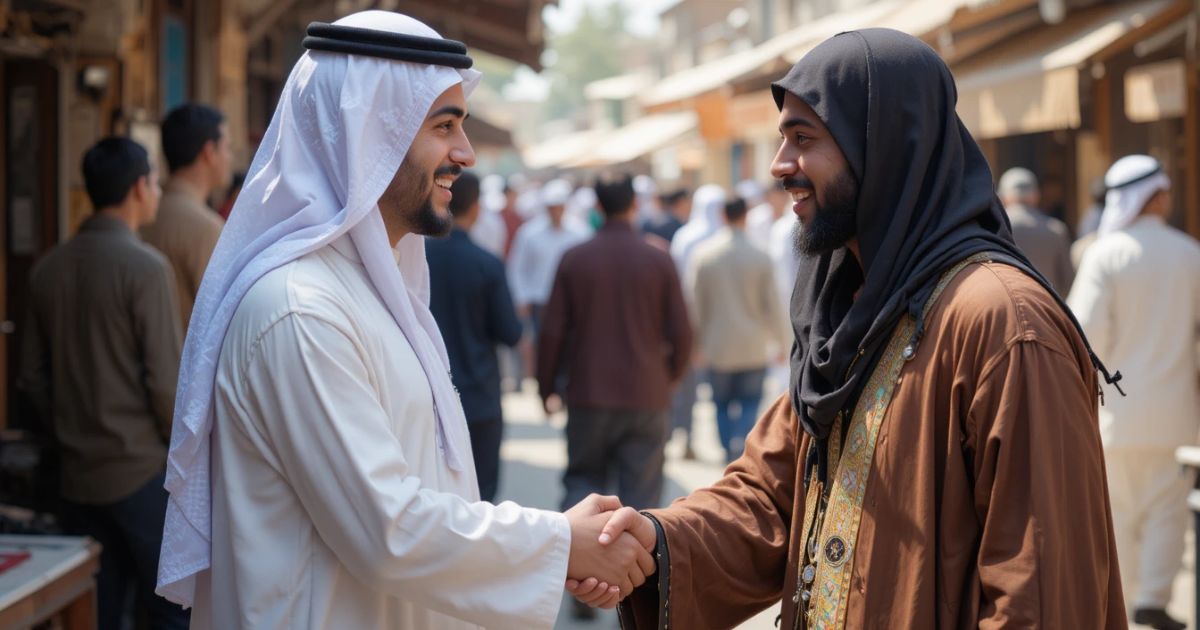
Afwan is a polite Arabic expression most commonly translated as “you’re welcome,” “no problem,” or “it’s nothing” in English. It is said in response to “thank you” and reflects humility, kindness, and respect in conversation. The word comes from an Arabic root connected to forgiveness and letting something pass, which adds depth to its meaning. Because of this, Afwan not only answers gratitude but also carries a gentle sense of generosity and good manners, especially in Islamic and Arab cultural settings.
Common Uses of Afwan
In Daily Conversations:
• When someone says “Shukria,” a warm and natural reply is “Afwan,” showing appreciation with humility.
• It politely acknowledges gratitude without sounding proud or distant.
• Afwan keeps conversations soft, respectful, and culturally meaningful.
• It reflects good manners that are deeply valued in Muslim and Arabic-speaking communities.
• Even in small interactions, saying Afwan helps maintain kindness and positive social bonds.
Afwan vs Similar Words
| Word | Meaning in English | When It Is Used | Cultural Note |
| Afwan (عفواً) | You’re welcome / Pardon / No problem | Used after someone thanks you, or to politely interrupt | Reflects humility and polite behavior in daily speech |
| Shukria (شكراً) | Thank you | Said when expressing gratitude for help, kindness, or a favor | Shows appreciation and respect |
| Marhaba (مرحبا) | Hello / Welcome | Used when greeting someone or welcoming a guest | Conveys warmth and hospitality |
| Min Fadlak / Min Fadlik (من فضلك) | Please | Used when making a polite request | Indicates courtesy and good manners |
| Aasif (آسف) | Sorry | Used to apologize for a mistake | Expresses regret and responsibility |
Why People Use Afwan
Cultural Significance:
• Afwan is deeply connected to Islamic etiquette and the concept of Adab, which teaches respectful and graceful behavior.
• It helps create warm, positive social interactions in families and communities.
• The word reflects modesty by downplaying one’s effort when thanked.
• Using Afwan regularly strengthens bonds through kindness and soft speech.
• It shows that politeness is valued as an important part of daily life.
Religious Context:
• Respectful communication is highly encouraged in Islamic teachings, and Afwan supports that principle.
• The word carries a subtle meaning of forgiveness and letting things pass peacefully.
• It promotes patience, gentleness, and emotional control in conversations.
• Saying Afwan can reflect a forgiving heart and a calm attitude.
• Even in small exchanges, it represents acceptance and moral character.
How to Respond with Afwan
In Islam, Afwan (عفواً) is more than just a polite word; it embodies the values of humility, patience, and forgiveness. Saying Afwan reflects a heart that is willing to overlook faults, show kindness, and respond gently to others. It aligns with Islamic teachings that encourage respectful communication, promoting peace and harmony in daily interactions while strengthening moral character.
Simple Conversation Captions:
• Person A: “Shukria for guiding me today.”
• Person B: “Afwan, it was my pleasure.”
• Person A: “Thank you for your time.”
• Person B: “Afwan, anytime.”
• Person A: “I really appreciate your support.”
• Person B: “Afwan, don’t mention it.”
Afwan is more than just a polite reply it is a small word that carries warmth and humility. When someone thanks you, saying Afwan gently removes any feeling of obligation and makes the interaction feel balanced and friendly. It shows that helping was done sincerely, not for praise.
The word is widely recognized and understood in countries like Pakistan, India, Bangladesh, and across the Middle East because of the strong influence of Arabic and Islamic culture. Even people who are not fluent in Arabic often know how and when to use Afwan correctly. By using respectful language like this, social bonds become stronger, conversations feel softer, and mutual respect naturally grows between people.
Afwan Meaning in Islam
In Islam, Afwan (عفواً) is more than just a polite word; it embodies the values of humility, patience, and forgiveness. Saying Afwan reflects a heart that is willing to overlook faults, show kindness, and respond gently to others. It aligns with Islamic teachings that encourage respectful communication, promoting peace and harmony in daily interactions while strengthening moral character.
Islamic Significance of Afwan
Afwan is closely linked to Allah’s beautiful name Al-Afuw (The Pardoner), reminding Muslims of mercy, forgiveness, and letting go of grudges. Using Afwan in daily life reflects a mindset of humility and selflessness, showing that good deeds are offered sincerely without seeking praise. It encourages believers to embody patience, kindness, and forgiveness in their interactions, following the example of Islamic values in both speech and action.
Core Islamic Values in Afwan
Spiritual Meanings of Afwan:
• Afwan symbolizes forgiveness, teaching us to let go of others’ mistakes gracefully.
• It reflects humility and submission before Allah, reminding us of our own imperfections.
• Saying Afwan encourages doing good sincerely, without expecting praise or reward.
• The word promotes selfless behavior and moral integrity in everyday interactions.
• It strengthens the spiritual bond between humans and Allah through respectful speech.
Afwan in Islamic Etiquette (Adab)
| Islamic Principle | How Afwan Reflects It |
| Humility | Responds to thanks modestly, showing that help was given sincerely, not for praise. |
| Forgiveness | Encourages overlooking minor mistakes and letting go of grudges. |
| Generosity | Demonstrates willingness to assist others without expecting anything in return. |
| Good Character | Mirrors the manners and conduct taught by the Prophet ﷺ, promoting respect and kindness. |
| Respectful Speech | Softens interactions and maintains politeness in daily conversations. |
| Patience & Tolerance | Using Afwan in challenging situations reflects calmness and emotional control. |
Prophet Muhammad’s ﷺ Teachings
• Always reply with warmth, politeness, and a gentle tone.
• Let your help feel natural never make others feel obligated or indebted.
• Show humility in every interaction, keeping your intentions pure.
• Remember that true reward comes from Allah, not from praise or recognition.
• Use Afwan to strengthen respect, kindness, and harmony in daily life.
• Make it a habit to respond graciously, reflecting good manners and moral character.
When Muslims Use Afwan
Common Scenarios for Using Afwan:
• After helping someone, say Afwan to acknowledge their thanks with humility.
• When someone apologizes, Afwan expresses forgiveness and understanding.
• Responding to gratitude, it gently removes any sense of obligation or pride.
• Overlooking minor mistakes, Afwan promotes patience and soft-heartedness.
• In daily life, Afwan encourages kindness, generosity, and respectful behavior.
Using Afwan in these situations is more than etiquette it’s a practice that shapes character. When Muslims say Afwan, they mirror the qualities of Allah’s names, especially Al-Afuw (The Pardoner), and follow the noble manners of the Prophet ﷺ. It teaches selflessness, reminding us that good deeds are for Allah’s sake, not for recognition. Over time, consistently saying Afwan helps build a community rooted in respect, compassion, and harmony, turning a simple word into a powerful tool for personal and social development.
Afwan Meaning in Arabic
Afwan (عفواً) is a versatile Arabic word commonly used in everyday conversations throughout the Arab world. Its origins are rooted in classical Arabic, where it conveys politeness, respect, and forgiveness. Beyond simply meaning “you’re welcome,” Afwan can express humility, pardon, or a gentle request for attention, making it an essential part of social etiquette and daily communication in Arab culture.
Arabic Translation and Grammar
In Arabic, Afwan literally translates to “pardon” or “forgiveness” and is derived from the root word عفو (Afw), which signifies excusing, overlooking, or letting go of faults. Grammatically, it is used as an interjection in conversations to respond politely, express humility, or seek attention gently. Its versatile usage reflects both linguistic richness and cultural emphasis on respect, kindness, and social harmony.
Grammatical Structure
Word Formation of Afwan:
• Root: ع ف و (Ayn-Fa-Waw) – the base letters convey the idea of pardon and forgiveness.
• Form: Verbal noun (Masdar) – used to express the act of excusing or forgiving.
• Pronunciation: Af-wan – soft and polite, easy to say in conversation.
• Written: عفواً (with tanween/double fatha) – follows Arabic grammatical rules for interjections.
• The structure of the word reflects both its spiritual meaning and practical usage in daily speech.
• Its simple formation makes it versatile for greetings, apologies, and polite responses.
Multiple Meanings in Arabic
| Context | Meaning | Example Usage |
| Replying to Thanks | You’re welcome / No problem | Person A: “Shukran!”Person B: “Afwan” |
| Requesting Permission | Excuse me / Pardon me | “Afwan, may I pass through?” |
| Apologizing | Sorry / Pardon | “Afwan for arriving late” |
| Interrupting | Excuse me / May I speak? | “Afwan, could I add something?” |
| Seeking Repetition | Pardon / Can you repeat? | “Afwan? I didn’t catch that” |
| Polite Attention | Excuse me / Attention | “Afwan, could you help me here?” |
This table shows how Afwan adapts to different situations, reflecting politeness, humility, and cultural etiquette in Arabic-speaking communities.
How Arabs Use Afwan Daily
Common Situations for Using Afwan:
• Markets & Shopping: Reply to vendors’ thanks or politely get their attention.
• Social Gatherings: Use Afwan to maintain courteous and friendly conversations.
• Workplace: Show professionalism and respect when colleagues thank you or need assistance.
• Family Settings: Demonstrate respect and humility toward elders and relatives.
• Public Spaces: Politely navigate through crowds or ask someone to move.
• Educational Settings: Respond graciously to teachers or classmates expressing gratitude.
• Afwan helps maintain smooth, respectful interactions across all daily environments, reinforcing kindness and good manners.
Regional Variations
Afwan Usage Across Arab Countries:
• Gulf Region: عفواً (Afwan) – widely used in everyday conversation as “you’re welcome” or “excuse me.”
• Levant (Syria, Lebanon, Jordan, Palestine): تفضل (Tafaddal) – often used alongside Afwan for politeness and invitations.
• Egypt: العفو (Al-Afw) – similar meaning, commonly used to reply to thanks or apologize.
• North Africa (Morocco, Algeria, Tunisia): بالعافية (Bil-Afya) – occasionally used in casual contexts to express pardon or gratitude.
• While the exact word varies, the spirit of Afwan politeness, humility, and respect is consistent throughout the Arab world.
• Understanding regional variations helps learners use Afwan naturally and appropriately in different Arabic-speaking communities.
Afwan in Modern Standard Arabic
Formal vs Informal Usage of Afwan:
• Written Arabic: عفواً appears in books, letters, and formal texts as a standard polite expression.
• Spoken Dialects: Pronunciation and usage can vary slightly depending on the region, but the meaning stays consistent.
• Official Settings: Afwan is preferred over casual alternatives to maintain professionalism and respect.
• Media & News: Used as a universal, polite phrase in interviews, announcements, and broadcasts.
• Everyday Speech: In casual conversations, people may shorten it or use regional equivalents, but Afwan remains widely understood.
Afwan bridges the gap between formal and informal communication in Arabic. In formal contexts, it demonstrates good manners and cultural literacy, while in informal speech, it conveys warmth and humility. Its versatility makes it one of the first and most essential words for learners of Arabic. Beyond grammar, Afwan reflects the values of Arab hospitality, social etiquette, and the importance of respectful interaction, making it a cornerstone of polite conversation across all Arabic-speaking communities.
Afwan Pronunciation
Afwan (عفواً) may look simple, but pronouncing it correctly makes a big difference in sounding natural. The word is broken into two smooth parts: “Af” and “wan.” The first sound begins with a soft throat letter (ع), which is unique to Arabic and slightly deeper than a regular “A.” The “f” is clear and light, followed by “wan,” which flows gently without stress. When said naturally, the word should sound calm and polite, reflecting the respectful tone it carries in conversation.
How to Pronounce Afwan
How to Pronounce Afwan:
• Af – begins with a soft throat sound (ع), slightly deeper than a normal “A,” followed by a clear “f.”
• Wan – sounds close to “wahn,” not exactly “one,” with a gentle open “ah” vowel.
• Combined: Af-WAN – light stress on the second syllable for a natural Arabic rhythm.
• Keep the tone soft and polite, not sharp or rushed.
• The word should flow smoothly as one connected sound, not two separate words.
Step-by-Step Pronunciation Guide
| Letter / Part | Sound Description | English Comparison | Extra Tip |
| ع (Ayn) | Deep, voiced throat sound | No exact English equivalent | Produced from the middle of the throat; keep it soft, not harsh |
| ف (Fa) | Clear “F” sound | Like “f” in “family” | Light and smooth, without heavy emphasis |
| و (Waw) | Gentle “W” sound | Like “w” in “water” | Blend it naturally into the next vowel |
| ـاً (Tanween) | “-an” ending sound | Like “an” in “can” | Creates the final “wan” sound in Afwan |
| Full Word Flow | Af-WAN | Stress slightly on “WAN” | Say it calmly to maintain a polite tone |
Common Pronunciation Mistakes
What to Avoid:
• Avoid saying “AFF-wan” with a harsh or overly strong “F” sound it should be soft and smooth.
• Don’t pronounce it as “AF-win” the second syllable uses an open “ah” sound, not “ih.”
• Do not place heavy stress on the first syllable the natural emphasis falls gently on “WAN.”
• Don’t completely ignore the guttural ‘Ayn (ع) sound even a light throat sound makes it more authentic.
• Avoid breaking it into two disconnected words it should flow together naturally as Afwan.
Audio Pronunciation Tips
How It Should Sound:
• Let the word flow smoothly without pausing between “Af” and “wan.”
• Place a light, natural emphasis on the “wan” part, not too strong or exaggerated.
• Keep your voice gentle and calm to match the polite meaning of the word.
• Say it at a normal speaking speed it should take about one second.
• Avoid dragging the vowels or cutting the word too short.
For better accuracy, listen to native Arabic speakers and repeat the word several times in context, such as after someone says “Shukran.” Practicing in short, real-life sentences helps your pronunciation sound more natural and confident rather than forced or mechanical.
Practice Methods
Easy Ways to Learn:
• Let the word flow smoothly without pausing between “Af” and “wan.”
• Place a light, natural emphasis on the “wan” part, not too strong or exaggerated.
• Keep your voice gentle and calm to match the polite meaning of the word.
• Say it at a normal speaking speed it should take about one second.
• Avoid dragging the vowels or cutting the word too short.
For better accuracy, listen to native Arabic speakers and repeat the word several times in context, such as after someone says “Shukran.” Practicing in short, real-life sentences helps your pronunciation sound more natural and confident rather than forced or mechanical.
Regional Accent Differences
Pronunciation Variations:
• Gulf Arabic: Pronounced clearly and sharply as Af-wan, with distinct syllables.
• Egyptian Arabic: Slightly stretched second syllable, sounding like Af-waan.
• Levantine Arabic: Smooth and flowing tone, closer to Af-wán with gentle stress.
• Maghrebi Arabic: Quicker and more compact pronunciation, sometimes sounding like Af’wan.
• In all regions, the meaning remains the same despite slight accent shifts.
Different accents add local flavor, but the standard pronunciation of Afwan is understood everywhere in the Arab world. Learners should focus on clarity, correct vowel sounds, and a polite tone rather than trying to perfectly copy every regional accent. Clear and respectful speech matters more than accent perfection.
Afwan Habibi Meaning
Afwan Habibi (عفواً حبيبي) is a friendly and affectionate Arabic expression that blends politeness with closeness. The phrase combines Afwan (“you’re welcome” or “no problem”) with Habibi (“my dear” or “my beloved”), creating a response that feels warm and personal. It is often used between close friends, siblings, spouses, or family members to show both good manners and emotional connection.
Unlike formal responses, Afwan Habibi carries a soft, caring tone that strengthens relationships. It not only replies to gratitude but also adds reassurance and affection. In many Arabic-speaking cultures, adding Habibi makes the conversation feel more heartfelt and relaxed, reflecting hospitality, love, and social warmth.
What Does Afwan Habibi Mean?

| Word / Phrase | Meaning in English | How It’s Used | Emotional Tone |
| Afwan (عفواً) | You’re welcome / No problem | Said after someone thanks you | Polite and humble |
| Habibi (حبيبي) | My dear / My beloved (masculine) | Used for friends, family, or loved ones | Warm and affectionate |
| Afwan Habibi | You’re welcome, my dear | Friendly reply to gratitude | Caring, personal, and sincere |
| Habibti (حبيبتي) | My dear (feminine) | Used when addressing a female | Loving and gentle |
This phrase goes beyond a basic courtesy. By adding Habibi, the response becomes more personal and emotionally expressive. It is commonly used in informal settings among close relationships, reflecting warmth, friendship, and strong social bonds in Arabic culture.
Breaking Down the Phrase
Important Distinctions:
• Habibi (حبيبي) – Used when addressing a male, meaning “my dear” or “my beloved.”
• Habibti (حبيبتي) – Used when addressing a female, meaning “my dear” or “my beloved” in the feminine form.
• Habiby – An alternative spelling of Habibi, often used in informal writing or social media.
• Using the correct form shows respect for gender and adds natural warmth to the conversation.
Gender Variations
Appropriate Situations:
• Replying to a close friend who says thank you
• Casual chats with buddies or peers
• Showing affection toward family members
• Friendly interactions between colleagues
• Responding warmly in informal social gatherings
• Adding a personal touch in text messages or social media conversations
• Lightening the tone in playful or affectionate exchanges
When to Use Afwan Habibi
• Replying to a close friend who expresses gratitude
• Casual chats with buddies or peers
• Showing affection toward family members
• Friendly interactions with colleagues in informal settings
• Lighthearted or playful conversations among trusted people
• Text messages or social media exchanges with friends
When NOT to Use Afwan Habibi:
• In formal business or corporate environments
• When addressing strangers or unfamiliar people
• During professional, official, or academic meetings
• Speaking to elders or authority figures (use more respectful, neutral terms)
• Ceremonial or religious occasions requiring formal language
• Situations where affectionate language may seem inappropriate or unprofessional
Similar Affectionate Phrases
Other Warm Responses:
• Afwan ya habibi – Oh, you’re welcome, my dear (male)
• Afwan ya habibti – You’re welcome, my dear (female)
• Afwan ya sadeeqi – You’re welcome, my friend
• Afwan ya akhi – You’re welcome, my brother
• Afwan ya ghali – You’re welcome, my precious
• Afwan ya roohi – You’re welcome, my soul / beloved
• Afwan ya azizi – You’re welcome, my dear / beloved one
These phrases add extra warmth, affection, and closeness, making your responses more personal and heartfelt in informal and friendly conversations.
Cultural Context
Arab Friendship Culture:
• Using terms like Habibi or Habibti expresses friendship, closeness, and mutual trust
• Among same-gender friends, it is friendly, not romantic
• Demonstrates Arab values of hospitality, warmth, and generosity
• Commonly used in everyday conversations across Middle Eastern countries
• Strengthens social bonds and shows respect while maintaining a casual, affectionate tone
• Helps convey sincerity and emotional connection without formality
• Often paired with Afwan to combine politeness with friendliness
How to Respond
Example Conversation:
• Friend: “Shukran for your help!” → You: “Afwan habibi!”
• Expresses warmth, friendliness, and affection in casual conversation
• Conveys humility while acknowledging gratitude
• Strengthens social bonds and personal relationships
• Makes interactions feel sincere, caring, and culturally authentic
• Suitable for close friends, family members, or informal social circles
• Adds emotional depth to simple acts of politeness or thanks
Afwan Reply in Arabic
When someone says Afwan (عفواً) in response to your thanks, it’s a polite acknowledgment of your gratitude. You can reply to show appreciation, extend blessings, or keep the conversation warm and respectful. Using these common Arabic replies helps you communicate naturally and maintain cultural etiquette in both casual and formal interactions.
How to Reply When Someone Says Afwan

When someone says Afwan (عفواً) in response to your thanks, it’s their way of showing politeness and humility. You can reply to maintain a smooth, respectful conversation and acknowledge their kindness. Responses can range from simple gratitude to blessings or affectionate phrases, depending on your relationship and the context. Using appropriate replies demonstrates cultural awareness, keeps interactions warm, and helps you sound natural in Arabic-speaking environments.
Some ways to respond include repeating Shukran (thank you), offering a blessing like Jazak Allahu khayran (May Allah reward you), or using casual friendly expressions with close friends or family. By matching your reply to the situation, you show respect, humility, and social grace, which are central to Arabic etiquette.
Common Replies to Afwan
| Arabic Reply | Pronunciation | English Meaning | Usage / Context |
| الله يعطيك العافية | Allah y’ateek al-afya | May Allah give you health | Used to show care and pray for the person’s well-being |
| بارك الله فيك | Barak Allahu feek | May Allah bless you | Polite and formal blessing, suitable for any context |
| جزاك الله خيراً | Jazak Allahu khayran | May Allah reward you with good | Expresses gratitude in a religiously meaningful way |
| شكراً جزيلاً | Shukran jazeelan | Thank you very much | Simple, polite, and widely used in everyday situations |
| تسلم | Teslam | Bless you / Take care | Informal, friendly reply among peers and family |
| عفواً مرة أخرى | Afwan marra okhra | You’re welcome again | Casual and friendly way to keep the conversation warm |
Simple Responses
In Formal Settings:
• Smile and nod – a polite non-verbal way to acknowledge their kindness
• Say “Shukran” again – thank them once more to reinforce gratitude
• Use “Tayyib” (طيب) – meaning “okay” or “good,” casual and friendly
• Say “Allah ybarik feek” (الله يبارك فيك) – meaning “May Allah bless you,” adds warmth and respect
• Repeat “Afwan” lightly – keeps the conversation polite and friendly
• Use “Ma feesh mushkila” (ما فيش مشكلة) – “No problem,” common in daily Arabic speech
• Keep your tone calm and gentle – reflects sincerity and humility
Formal vs Informal Replies
In Formal Settings:
• Jazak Allahu khayran (جزاك الله خيراً) – a highly respectful reply, often used in professional or religious contexts
• Barak Allahu feekum (بارك الله فيكم) – plural/formal, suitable for addressing groups politely
• Shukran lakum (شكراً لكم) – formal way to say “thank you” to one or more people
• La shukr ala wajib (لا شكر على واجب) – conveys humility, often used in official or respectful situations
• Allah y’ateek al-afya (الله يعطيك العافية) – formal blessing expressing care and well-wishing
When No Reply is Needed
Silent Acknowledgment:
• A warm smile often suffices to show gratitude or acknowledgment
• Nod your head gently to convey respect and understanding
• Maintain eye contact briefly to reinforce politeness without words
• Continue the conversation naturally without interrupting the flow
• In many Arabic-speaking contexts, verbal replies are not always expected
• Silent acknowledgment reflects humility, respect, and cultural etiquette
• Works well in crowded, formal, or casual settings where short interactions are common
Cultural Etiquette Tips
Important Points:
• Avoid over-thanking; in Arab culture, a single Shukran followed by Afwan is usually enough
• Excessive expressions of gratitude can appear insincere or awkward
• Body language smiles, nods, and gentle gestures carries as much meaning as words
• Match your response to the relationship and context: formal replies for elders or officials, casual ones for friends and family
• Keep your tone natural and sincere rather than rehearsed
• Use eye contact subtly to show attentiveness and respect
• Politeness and humility are valued more than elaborate phrasing in daily interactions
• Understand that Afwan is both linguistic and cultural, reflecting Arab values of respect, generosity, and social harmony
These tips help you communicate respectfully, sound authentic, and navigate both casual and formal situations appropriately in Arabic-speaking contexts.
Shukran Meaning
Shukran (شكراً) is the standard and widely used Arabic expression for “thank you.” It conveys gratitude politely and is essential in everyday interactions, whether with friends, family, colleagues, or strangers. Beyond simply saying thanks, Shukran reflects respect, humility, and cultural awareness in Arab societies. Learning to use it correctly helps you communicate courteously, navigate social situations naturally, and show appreciation in both casual and formal contexts across all Arabic-speaking countries.
What Does Shukran Mean?
Shukran (شكراً) literally means “thank you” in English, expressing gratitude and appreciation. It originates from the Arabic root ش ك ر (Sha-Ka-Ra), which conveys concepts of thankfulness, recognition of kindness, and acknowledgment of good deeds. Using Shukran goes beyond mere words it reflects respect, humility, and awareness of social etiquette in Arab culture. Mastering this phrase helps learners show genuine appreciation in conversations, whether in daily life, formal interactions, or travel across Arabic-speaking regions.
Pronunciation Guide
How to Say It:
• Shuk – sounds like “shook” in English, with a soft “sh” at the beginning
• ran – similar to “run” but with an open “ah” vowel, not a short “u”
• Combined: SHUK-ran – pronounce both syllables evenly, with a smooth and gentle flow
• Keep your tone polite and calm to match the meaning of gratitude
• Avoid stressing one syllable too heavily; natural rhythm makes it sound more authentic
• Practicing slowly at first, then gradually at normal speed, helps learners sound more fluent
• Saying it correctly shows respect and understanding of Arabic social etiquette
Different Forms of Shukran
| Arabic | Pronunciation | Meaning | Intensity / Usage |
| شكراً | Shukran | Thank you | Basic, everyday gratitude |
| شكراً جزيلاً | Shukran jazeelan | Thank you very much | Stronger, more heartfelt thanks |
| ألف شكر | Alf shukr | A thousand thanks | Very strong expression of gratitude, highly appreciative |
| شكراً لك / لكِ | Shukran lak / lik | Thank you to you | Personal, directed at a specific person |
| ممتن لك | Mumtan lak / lik | Grateful to you | Formal and polite, used in letters or professional context |
| بارك الله فيك | Barak Allahu feek | May Allah bless you | Polite, combines gratitude with a blessing |
| جزاك الله خيراً | Jazak Allahu khayran | May Allah reward you | Religious and respectful, used for significant favors |
These variations of Shukran allow you to express gratitude appropriately depending on the situation, relationship, or level of formality, from casual daily use to formal, religious, or deeply appreciative contexts.
When to Use Shukran
Common Situations:
• When receiving gifts or thoughtful gestures from someone
• After someone does you a favor or provides assistance
• When being served food, drinks, or hospitality in any setting
• Receiving directions, guidance, or useful information
• Completing business transactions, purchases, or services
• When someone holds the door or gives way politely
• After compliments, encouragement, or kind words
• In social gatherings, to acknowledge hosts or participants
• During travel, to show appreciation for help from strangers or locals
Using Shukran appropriately in these situations not only communicates gratitude but also reflects cultural awareness and politeness in Arabic-speaking communities. It strengthens relationships, shows respect, and maintains smooth social interactions.
Gender-Specific Forms
Addressing Different People:
• Shukran lak (شكراً لك) – Thank you directed to a male, polite and commonly used
• Shukran lik (شكراً لكِ) – Thank you directed to a female, showing respect and proper gender agreement
• Shukran lakum (شكراً لكم) – Thank you to a group of people, formal or casual depending on context
• Shukran jazeelan lak / lik – A stronger form, “Thank you very much,” adjusted for gender
• Alf shukr lak / lik / lakum – “A thousand thanks,” very expressive, also varies by gender or group
• Using the correct form shows cultural awareness and respect in Arabic conversations
• Always match gender and number to the person or people you are thanking to sound natural
• Correct usage strengthens politeness and makes your gratitude feel sincere and personalized
Shukran in Islamic Context
Religious and Cultural Significance:
• Muslims say Alhamdulillah (الحمد لله) to praise Allah for blessings, while Shukran is used to thank people directly
• Expressing gratitude through Shukran reflects humility, good manners, and social harmony in Islam
• Prophet Muhammad ﷺ emphasized the importance of thanking others, considering it a form of worship and character refinement
• Gratitude is highly valued in Islam, both toward Allah and toward people, as it strengthens bonds and encourages kindness
• Saying Shukran politely acknowledges someone’s effort and fosters respect, reflecting the Islamic principle of Adab (proper etiquette)
• Combining Shukran with blessings like Jazak Allahu khayran shows both appreciation and spiritual acknowledgment
• Regular use of Shukran cultivates a thankful heart, aligning daily interactions with Islamic teachings of humility and generosity
Alternative Ways to Say Thank You
Other Common Expressions of Gratitude:
• Jazak Allahu khayran (جزاك الله خيراً) – “May Allah reward you,” a religiously meaningful and respectful way to thank someone
• Mashkoor (مشكور) – “Appreciated” or “thanked,” a polite and formal expression of gratitude
• Yeslamo (يسلمو) – Common in Levantine dialects, casual way to say thanks, especially among friends
• Mutashakir (متشكر) – Informal, used to express “I’m grateful,” common in Egyptian and some North African dialects
• Shukran jazilan (شكراً جزيلاً) – “Thank you very much,” stronger and heartfelt
• Alf shukr (ألف شكر) – “A thousand thanks,” very expressive and enthusiastic
• Using these alternatives allows you to adapt your gratitude to formal, casual, religious, or regional contexts, making your expressions culturally appropriate and varied
• Combining phrases like Jazak Allahu khayran with Shukran can convey both politeness and spiritual acknowledgment in Arabic-speaking communities
Regional Variations
Across the Arab World:
• Egypt: Commonly “Shukran”, but “Merci” is also widely used due to French influence
• Gulf Countries: “Shukran” is standard in all formal and informal interactions
• Levant (Lebanon, Syria, Jordan, Palestine): “Yeslamo” is popular in casual speech, alongside Shukran for formal contexts
• Morocco & North Africa: “Shukran” is common, often paired with “Baraka Allah fik” (May Allah bless you) for politeness
• Iraq & some parts of the Gulf: Variants like “Shukran kteer” (thank you very much) are frequently used
• Informal vs Formal: Regional dialects often introduce casual alternatives while standard Arabic Shukran remains understood everywhere
• These variations reflect cultural nuances, local language influences, and social context, helping learners adapt gratitude appropriately depending on the country and setting
Regional Variations of Saying Thank You in Arabic
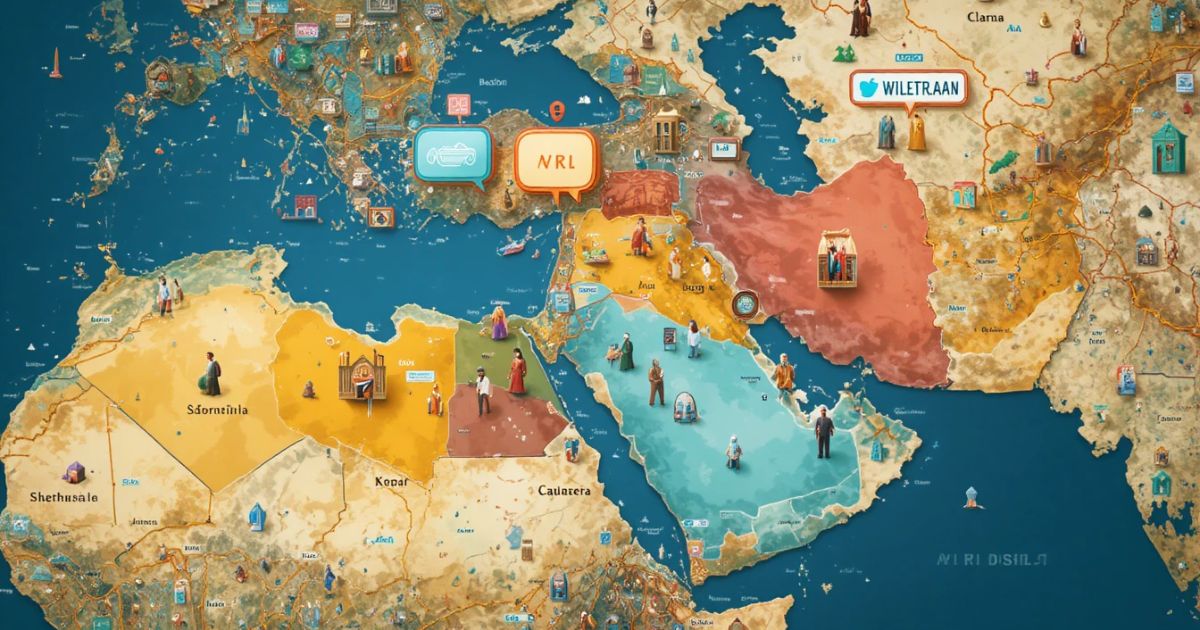
Across the Arab World:
• Egypt: Commonly “Shukran”, but “Merci” is also widely used due to French influence
• Gulf Countries: “Shukran” is standard in all formal and informal interactions
• Levant (Lebanon, Syria, Jordan, Palestine): “Yeslamo” is popular in casual speech, alongside Shukran for formal contexts
• Morocco & North Africa: “Shukran” is common, often paired with “Baraka Allah fik” (May Allah bless you) for politeness
• Iraq & some parts of the Gulf: Variants like “Shukran kteer” (thank you very much) are frequently used
• Informal vs Formal: Regional dialects often introduce casual alternatives while standard Arabic Shukran remains understood everywhere
• These variations reflect cultural nuances, local language influences, and social context, helping learners adapt gratitude appropriately depending on the country and setting
Response to Shukran What People Say Back: Afwan (عفواً) – You’re welcome Al-afw (العفو) – Don’t mention it Ahlan (أهلاً) – Welcome/No problem La shukr ala wajib (لا شكر على واجب) – No thanks needed for duty Using “Shukran” correctly shows respect for Arab culture and opens doors to warmer interactions. It’s one of the first words every Arabic learner should master. asy trha ka lekh k do pr new content my ho , ziyada behtr or more infarmation ho us my,
Response to Shukran
• Afwan (عفواً) – “You’re welcome,” the most standard and widely used reply
• Al-afw (العفو) – “Don’t mention it,” polite and humble response
• Ahlan (أهلاً) – “Welcome” or “No problem,” friendly and casual
• La shukr ala wajib (لا شكر على واجب) – “No thanks needed for duty,” used when helping someone as a natural act of kindness
• Barak Allahu feek (بارك الله فيك) – “May Allah bless you,” adds a spiritual and respectful touch
• Tashakur la yajib (تشكر لا يجب) – Alternative humble phrasing meaning “No need to thank me”
• Responding correctly to Shukran shows respect, cultural awareness, and politeness
• Mastering these replies is essential for learners to sound natural and build positive social connections in Arabic-speaking communities
• The choice of reply depends on formality, relationship, and context, from casual chats with friends to formal or religious settings
Linguistic Root and Grammatical Usage
The word Afwan (عفواً) is derived from the Arabic root ع-ف-و (ʿ-f-w), which conveys several interconnected concepts:
• Wiping away – removing mistakes or obstacles
• Erasing – letting go of faults or offenses
• Forgiving – showing mercy and pardon
• Being gentle – demonstrating kindness and ease in interaction
Because of this root, Afwan carries more than a simple “you’re welcome”; it reflects grace, humility, and social courtesy.
The related word Al-ʿAfw (العفو) means “forgiveness” and appears frequently in classical Arabic texts, including the Qur’an, highlighting the cultural and spiritual significance of pardon and gentleness.
Grammatically, Afwan is a verbal noun (masdar), often used independently as a polite response or interjection, making it versatile in daily speech for both formal and informal situations.
Root Breakdown of Afwan
| Arabic Root | Core Meaning | Related Words |
| ع-ف-و | Erase, forgive, show kindness | عفو (Al-ʿAfw – forgiveness), معفو (Maʿfu – pardoned), عافٍ (ʿAafin – one who forgives) |
Grammatically, Afwan functions as a masdar (verbal noun), giving it flexibility in daily Arabic conversation. It can be used as a polite interjection, similar to saying “pardon me,” “you’re welcome,” or “no problem” in English.
Because of this versatility, Afwan appears in many situations:
• Greetings – acknowledging someone politely
• Apologies – softening mistakes or interruptions
• Everyday interactions – showing respect, humility, and social grace
Its root meaning of forgiveness and kindness makes Afwan not just a word, but a reflection of Arab cultural values and etiquette.
Examples of “Afwan” in Arabic Sentences
Seeing Afwan in context helps you understand its versatile use. It’s not just a word for “you’re welcome” it can politely acknowledge thanks, apologize, or ask for attention. Using it correctly in sentences allows you to sound natural in conversations, show respect, and follow Arabic etiquette in both casual and formal situations.
Example Sentences (Table)
Example Sentences of Afwan (Table)
| Situation | Arabic Sentence | Meaning |
| Replying to thanks | شكرًا – عفوًا | Thank you – You’re welcome |
| Asking to pass | عفوًا، هل يمكنني المرور؟ | Excuse me, may I pass? |
| Apologizing politely | عفوًا، لم أنتبه | Sorry, I didn’t notice |
| Asking someone to repeat | عفوًا؟ ماذا قلت؟ | Pardon? What did you say? |
| After bumping into someone | عفوًا! | Sorry! |
| Getting someone’s attention | عفوًا، هل يمكنني التحدث معك؟ | Excuse me, may I speak with you? |
| At the store or café | عفوًا، كم سعر هذا؟ | Excuse me, how much is this? |
These examples highlight how Afwan adapts to different social situations, functioning as a polite response, apology, or request. Its flexibility makes it essential for learners to communicate respectfully and naturally in Arabic-speaking environments.
Cultural or Quranic Significance of “Afwan”
The word Afwan is more than just a polite response; it reflects core values of Arab culture. Saying Afwan demonstrates humility, kindness, and respect in everyday interactions, whether with friends, family, or strangers. It’s a subtle way of showing that your actions are done without expecting reward, highlighting social grace and gentle communication.
In the Quranic context, the root ʿ-f-w appears in words like Al-ʿAfw (العفو), meaning forgiveness, pardon, or erasing faults. While the exact phrase Afwan is not directly used in the Quran, its linguistic root carries spiritual and moral significance, emphasizing mercy, patience, and the importance of forgiving others.
Using Afwan in conversation aligns with these cultural and spiritual ideals, signaling emotional awareness, generosity of spirit, and social etiquette. It is especially important when interacting with elders, teachers, or strangers, as it conveys both politeness and respect, making it a cornerstone of effective and graceful communication in Arabic-speaking communities.
Common Misunderstandings or Mistakes
Many learners assume that Afwan only works as a response to “thank you,” which is partially correct but limits its full range. Afwan can also mean “excuse me,” “pardon,” or a light apology depending on context. Using it when a deeper apology is required can sound inappropriate words like Aasif (آسف) or Ana muta’assif (أنا متأسف) are better for expressing sincere regret. Beginners also sometimes confuse Afwan with Al-ʿAfw, which shares the same root but is generally more formal and spiritual, so swapping them in casual speech may feel unnatural.
Other common mistakes include overusing Afwan in every situation, saying it instead of Shukran, or using it in formal emails where it sounds too casual. Thinking it only means “you’re welcome” prevents learners from using it naturally in everyday interactions. By understanding the correct contexts, you can use Afwan confidently to convey politeness, humility, and cultural awareness in Arabic-speaking environments.
Common Mistakes:
• Afwan isn’t just “you’re welcome,” it’s versatile 🌿
• Avoid Afwan for deep apologies use Aasif instead ❗
• Overusing Afwan can sound unnatural 🚫
• Match context: casual, formal, or spiritual 💡
• Learn the subtle differences between Afwan and Al-ʿAfw ✨
Using Afwan correctly shows respect, humility, and cultural awareness in every interaction.
Why You Should Learn “Afwan”

Learning Afwan in Arabic is one of the easiest and most effective ways to communicate politely with native speakers. This single word carries multiple layers of meaning “you’re welcome,” “pardon me,” and “excuse me” allowing you to navigate a variety of social situations smoothly. Whether you’re shopping in a market, traveling, attending classes, or chatting with friends, using Afwan shows respect, humility, and cultural awareness, making your interactions warmer and more natural.
Beyond politeness, Afwan reflects the core values of Arab culture, such as kindness, forgiveness, and social harmony. Its simple pronunciation makes it beginner-friendly, and mastering it gives you confidence in conversations. Pairing Afwan with other common phrases like Shukran (thank you) and Marhaban (hello) helps you blend seamlessly into daily life in Arabic-speaking regions, while also demonstrating that you understand and respect cultural etiquette.
Benefits of Learning Afwan
• Speak politely with just one word – Afwan
• Smooth conversations made easy with cultural awareness
• Useful everywhere: markets, travel, classrooms, and casual chats
• Shows respect, friendliness, and humility
• Beginner-friendly and easy to remember
Afwan is a small word with big impact polite, versatile, and culturally essential.
Afwan Meaning at meaningvibes.com
For anyone learning Arabic, meaningvibes.com is a great resource to understand words like Afwan quickly and clearly. The site provides simple definitions, practical examples, and easy-to-follow grammar notes, making it ideal for beginners who want to grasp the meaning and usage of common Arabic expressions without confusion.
The explanations go beyond just the translation. You’ll find step-by-step guidance, pronunciation tips, vocabulary notes, and sample conversations. This helps learners not only know what Afwan means but also how to use it naturally in everyday life, whether in polite responses, asking permission, or apologizing. With these resources, understanding and practicing Afwan becomes simple, effective, and confidence-boosting for all Arabic learners.
Frequently Asked Questions
What Does Afwan Really Mean?
Afwan is a versatile Arabic word that conveys politeness, respect, and kindness. Depending on the situation, it can mean “you’re welcome,” “excuse me,” “pardon me,” or “sorry,” making it one of the most useful words in daily Arabic conversations.
How Can I Recognize Afwan in Daily Arabic?
You can understand Afwan by observing how it is used in real-life situations after someone thanks you, during polite interruptions, or when asking permission. Context determines its precise meaning, so paying attention to tone and setting is key.
What Does Afwan Express When Someone Thanks Me?
When someone says Shukran (thank you), replying with Afwan shows humble acceptance and courteous acknowledgment. It signals that the help was offered freely, without expectation, reflecting Arab cultural etiquette.
How Do I Use Afwan Correctly in Conversations?
Use Afwan naturally in polite replies, brief apologies, or casual interactions. Adjust your tone to fit the situation formal for elders or colleagues, casual for friends or family.
Why Is Afwan Popular Among Arabic Learners Today?
People search for Afwan because it is easy to learn, widely used, and culturally significant. Mastering it helps learners sound polite, respectful, and fluent in everyday Arabic speech.
Does Afwan Have the Same Meaning Across All Arab Countries?
While the core meaning remains “polite acknowledgment,” regional accents and dialects may slightly change its pronunciation or usage. For example, some Levantine regions may add informal intonations, but the word is understood everywhere.
How Can Beginners Master Afwan Quickly?
Beginners can learn Afwan faster by practicing with example sentences, listening to native speakers, and using it in daily conversations. Repetition and contextual practice help internalize both meaning and proper tone.
Is Afwan Only Used in Formal Situations?
No, Afwan is flexible it works in formal, casual, and even semi-religious contexts. Its polite and humble nature makes it suitable for schools, markets, family gatherings, and workplace interactions.
Can Afwan Be Combined With Other Words?
Yes, it is often paired with terms of endearment or spiritual phrases, such as Afwan Habibi (you’re welcome, my dear) or Afwan, Jazak Allahu khayran (you’re welcome, may Allah reward you). This adds warmth or spiritual acknowledgment.
Why Is Understanding Afwan Important for Cultural Etiquette?
Learning Afwan helps you navigate Arab social norms gracefully, shows awareness of etiquette, and fosters respect in interactions. It’s more than a word it’s a reflection of kindness, humility, and social intelligence.
Conclusion
Understanding Afwan Meaning opens the door to polite and respectful communication in Arabic. This simple word carries multiple layers it can mean “you’re welcome,” “excuse me,” or “pardon me”allowing you to respond appropriately in different situations. Using Afwan naturally shows humility, kindness, and cultural awareness, helping you connect better with native speakers. Whether in casual conversations, formal settings, or travel experiences, knowing how to use this word makes your interactions smoother and more meaningful.
Learning Afwan Meaning also gives insight into Arab culture and etiquette. Its connection to forgiveness and social grace reflects deeper values of respect and generosity. By practicing examples, observing real-life conversations, and understanding its nuances, you can confidently use Afwan in everyday situations. This knowledge not only improves your Arabic language skills but also helps you build warm and positive relationships with people across Arab-speaking communities.



Leave a Reply