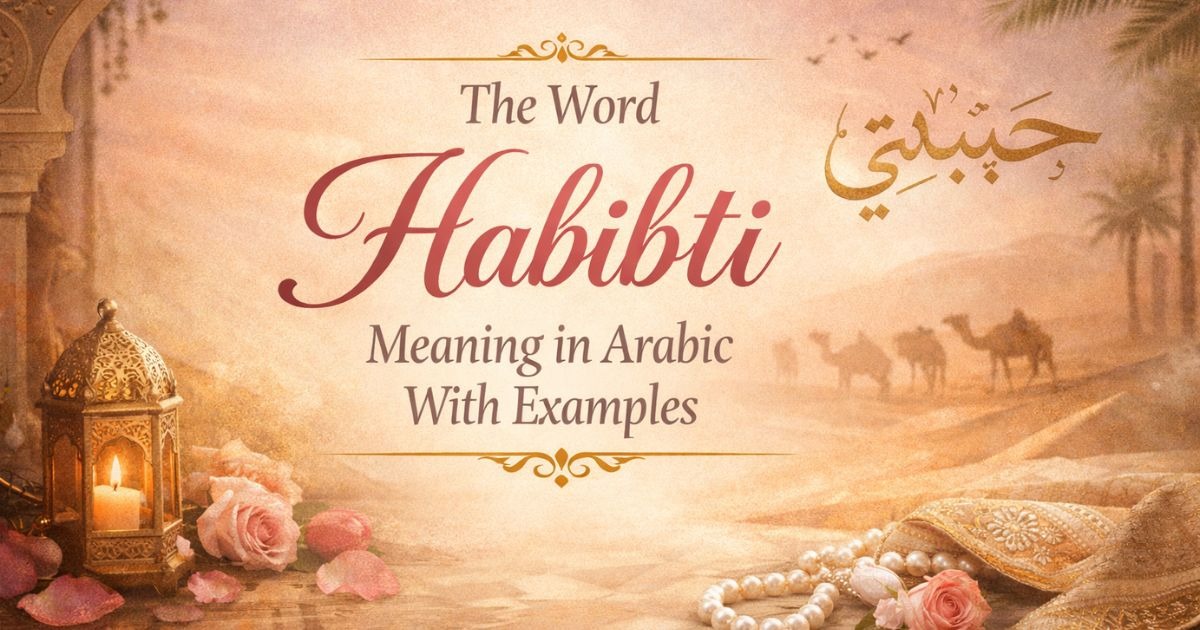
Have you ever heard someone say “habibti” in a song, a movie, or a sweet voice message and instantly felt curious about what it truly means? Maybe you searched for Habibti Meaning in Arabic because you didn’t want just a simple translation you wanted to understand the emotion behind it, the warmth it carries, and why people use it so lovingly in everyday conversations. It’s one of those words that sounds soft and beautiful, yet its real depth can feel confusing if you only rely on a quick dictionary result. Many people type Habibti Meaning in Arabic hoping to discover whether it means “my love,” “my dear,” or something even more special depending on the situation.
In this post, you’ll get a clear and heartfelt explanation of Habibti Meaning in Arabic, along with simple examples that show how native speakers actually use it in real life. Instead of giving you a dry definition, we’ll break down the cultural meaning, pronunciation, and emotional tone so you can fully understand Habibti Meaning in Arabic in different contexts like friendship, romance, and family conversations. By the end, you won’t just know what the word means you’ll know when to say it, how to say it, and why it holds such a special place in the Arabic language.
The Meaning of “Habibti” in Arabic
The word habibti (حبيبتي) means “my beloved” or “my dear” when speaking to a female. It comes from the Arabic root ḥ-b-b (حبّ), which means love and deep affection. This root forms many loving expressions in Arabic, all centered around care and emotional connection.
Habibti in Arabic = My beloved (female)
Habibi in Arabic = My beloved (male)
When you say habibti, you are showing affection toward a woman — whether she is your wife, girlfriend, daughter, sister, or even a close friend. The word feels soft, warm, and deeply personal in tone.
Habibti a simple word, a thousand feelings.
When you say habibti, you speak from the heart.
Habibti isn’t just love, it’s closeness and care.
In everyday conversations, habibti carries emotional warmth and sincerity. It can sound romantic, protective, or friendly depending on who says it and how it is spoken in that moment.
Everyday Usage Example
Arabic speakers use habibti naturally in daily life, similar to how English speakers say “sweetheart” or “darling.” It is common in homes, friendships, and loving relationships, spoken gently and with affection.
Come here, habibti.
Good morning, habibti.
Thank you, habibti.
In short, habibti is more than a translation. It reflects love, culture, and emotional closeness, making it one of the most heartfelt and beautiful words in Arabic conversation.
Linguistic Root and Grammatical Usage
Understanding the linguistic root of habibti reveals its formation and meaning in Arabic, showing how emotion and grammar combine to create a term of endearment full of warmth and affection.
| Arabic Word | Gender | Meaning | Root Letters | Notes |
| Habibi (حبيبي) | Masculine | My beloved (male) | H-B-B | Standard male form |
| Habibti (حبيبتي) | Feminine | My beloved (female) | H-B-B | Feminine possessive |
| Hubb (حبّ) | Neutral | Love | H-B-B | Core root word |
| Habib (حبيب) | Masculine | Beloved | H-B-B | Common male usage |
| Mahboub (محبوب) | Neutral | Loved one | H-B-B | General affection |
The Root “H-B-B”
The triliteral root H-B-B in Arabic forms words related to love and closeness. Adding -ti (ـتي) creates the feminine possessive, turning the word into a personal, warm expression for women.
Grammar: The suffix -ti marks feminine belonging
Meaning: Habibti literally translates as my beloved woman
Emotion: It conveys care, love, and connection in every context
How to Use Habibti Naturally in Conversations
Using habibti in daily conversations is effortless once you know the right context. You can address a close friend, sister, or partner warmly, adding a touch of affection to casual talk. The phrase conveys care, love, and appreciation rather than formality. Saying habibti in a gentle tone can make simple moments feel special and strengthen emotional bonds, whether in family interactions or friendly chats.
In social settings among women or close friends, habibti flows naturally and expresses closeness. It is personal, so avoid using it with strangers or in professional environments. When used thoughtfully, habibti in Arabic communicates heartfelt warmth and connection.
Examples of “Habibti” in Arabic Sentences
| Arabic Sentence | English Translation | Context |
| صباح الخير يا حبيبتي | Good morning, my beloved | Romantic / Daily greeting |
| أحبكِ يا حبيبتي | I love you, my darling | Romantic |
| اشتقت لكِ يا حبيبتي | I miss you, my beloved | Romantic / Emotional |
| شكراً لكِ يا حبيبتي | Thank you, my dear | Friendly / Family |
| أين أنتِ يا حبيبتي؟ | Where are you, my sweetheart | Romantic / Casual |
These examples show that habibti can be used in many situations to express love, care, or closeness. It works for romantic partners, family members, or close friends, and its meaning shifts slightly depending on tone and relationship.
Cultural or Quranic Significance of “Habibti”

In Arab culture, words of affection and love are deeply tied to daily life and relationships. Habibti is more than a romantic term; it reflects care, closeness, and emotional warmth in families, friendships, and partnerships. Its use shows both respect and intimacy depending on the context.
Cultural Meaning
- In families: Mothers, aunts, and grandmothers often say habibti to younger girls to express love and care
- Among friends: Women may use habibti with friends to show gratitude, affection, or support
- In relationships: Men use it affectionately for their wives or girlfriends, creating emotional connection and closeness
Quranic and Spiritual Connection
Although the word habibti itself is not in the Qur’an, its root hubb (love) appears frequently. It describes divine love, the bond between believers, and the importance of affection in guiding moral and social behavior. Using habibti carries this spiritual and emotional resonance, linking everyday speech to a broader cultural and ethical context.
Common Misunderstandings or Mistakes
Arabic learners often mix up habibi and habibti, which can lead to awkward situations. Habibi is masculine, habibti is feminine, and using them incorrectly can confuse the listener or sound inappropriate. Understanding gender and context is key to using these affectionate words correctly.
Common Confusions
| Mistake | Why It’s Wrong | Correct Form |
| Saying “habibi” to a woman | “Habibi” is masculine | Say habibti |
| Writing “habibiti” | Extra “i” makes spelling incorrect | Correct: habibti |
| Using “habibti” formally | Too affectionate for strangers | Use only with close people |
Quick Tips
- Use habibti only with family, friends, or loved ones
- Avoid using habibti in professional or formal settings
- Remember habibi for men, habibti for women
- Pronounce carefully to show respect and warmth
- Context matters; tone changes meaning
Using these tips helps you speak naturally, avoid mistakes, and convey care without misunderstanding in Arabic conversations.
Emotional and Cultural Power Behind the Word Habibti

The word habibti carries more than just a literal meaning; it embodies deep emotion, affection, and cultural connection. In Arab societies, saying habibti instantly creates warmth and closeness, whether spoken by family, friends, or partners. It reflects care, trust, and intimacy, making ordinary conversations feel heartfelt and personal.
Culturally, habibti symbolizes the importance of expressing love openly. Its use strengthens relationships and highlights emotional bonds in everyday life. From a mother to her daughter or a partner to their beloved, habibti serves as a reminder of love, respect, and meaningful connection across generations.
Why You Should Learn “Habibti”
Learning words like habibti helps you connect with Arabic culture and emotions, turning simple vocabulary into meaningful expressions of affection and understanding. It makes conversations warmer and shows appreciation for cultural nuances in daily life.
1. Deepens Cultural Understanding
Knowing when and how to say habibti helps you express warmth naturally and understand Arabic social and emotional contexts.
2. Improves Arabic Communication
Using habibti correctly creates rapport, shows respect, and makes interactions with native speakers more genuine and heartfelt.
3. Makes Learning Fun
Arabic learning becomes engaging with words like habibti, habibi, and hubb, adding emotion and enjoyment to practice sessions.
Additional Notes: Arabic Love Words
Learning a few common Arabic love words helps you speak naturally and convey genuine affection in casual or romantic conversations.
| Arabic Word | English Meaning | Gender | Context | Notes |
| Habibi | My beloved | Masculine | Romantic/Friendly | Used for males in affectionate settings |
| Habibti | My beloved | Feminine | Romantic/Friendly | Used for females in affectionate settings |
| Ya Amar | My moon | Unisex | Romantic | Poetic, often romantic |
| Ya Albi | My heart | Unisex | Deep affection | Expresses emotional closeness |
| Ya Rohi | My soul | Unisex | Spiritual/Loving | Conveys deep personal connection |
Practicing these words regularly allows you to express warmth naturally, making conversations in Arabic heartfelt and emotionally meaningful.
Habibti Meaning in Arabic at meaningvibes.com
At meaningvibes.com, you can explore the habibti meaning in Arabic, its usage, and cultural significance in a simple, easy-to-understand format for beginners and language enthusiasts.
The site explores:
- Origins: Learn how Arabic love expressions developed
- Everyday Use: Understand how habibti fits into daily conversation
- Grammar: Guidance on feminine forms in Arabic
- Learning Tips: Practical lessons for beginners
Meaningvibes.com offers interactive resources, helping learners connect with Arabic words like habibti and habibi, understand context, and use them naturally while appreciating cultural richness in conversations.
FAQs
What is the exact Habibti Meaning in Arabic?
The Habibti Meaning in Arabic is “my beloved” or “my dear” when addressing a female. It is a term of endearment that expresses love, warmth, and care in both romantic and familial relationships.
How is Habibti Meaning in Arabic different from Habibi?
While Habibti Meaning in Arabic refers to a female, Habibi is used for males. Both come from the same Arabic root H-B-B, which conveys love, but the gender distinction changes the word’s usage.
In what situations is Habibti Meaning in Arabic commonly used?
Habibti Meaning in Arabic is used in everyday conversations between loved ones, such as a husband to his wife, a parent to a daughter, or among close friends, to express affection naturally.
Can Habibti Meaning in Arabic be used in formal writing?
Although Habibti Meaning in Arabic is mostly spoken, it can occasionally appear in poetry, songs, or letters. Its emotional tone makes it ideal for heartfelt expressions rather than formal documents.
What is the cultural significance of Habibti Meaning in Arabic?
The Habibti Meaning in Arabic reflects more than love; it carries cultural warmth, emotional connection, and respect. Using it properly strengthens bonds and shows genuine care in Arabic-speaking communities.
Conclusion
Understanding Habibti Meaning in Arabic opens a window into the warmth and emotion behind the word, helping you appreciate its use in daily life and special relationships. It’s more than a translation; it’s a reflection of care and affection.
By learning Habibti Meaning in Arabic, you can use the word confidently in conversations, whether with family, friends, or loved ones. It allows you to connect on a deeper level and share genuine feelings in a culturally meaningful way.



Leave a Reply